Your roof is a crucial part of your home. It protects you from the elements and keeps your family safe. But how do you know when it needs replacing?
Recognizing the signs of wear is essential. Ignoring them can lead to costly damage. From missing shingles to water leaks, these indicators shouldn’t be overlooked.
Understanding when to replace your roof can save you money and stress. It also ensures your home remains secure and energy-efficient.
This guide will help you identify the signs you need a roof replacement. You’ll also learn valuable roof replacement tips to make informed decisions.
How Long Does a Roof Last?
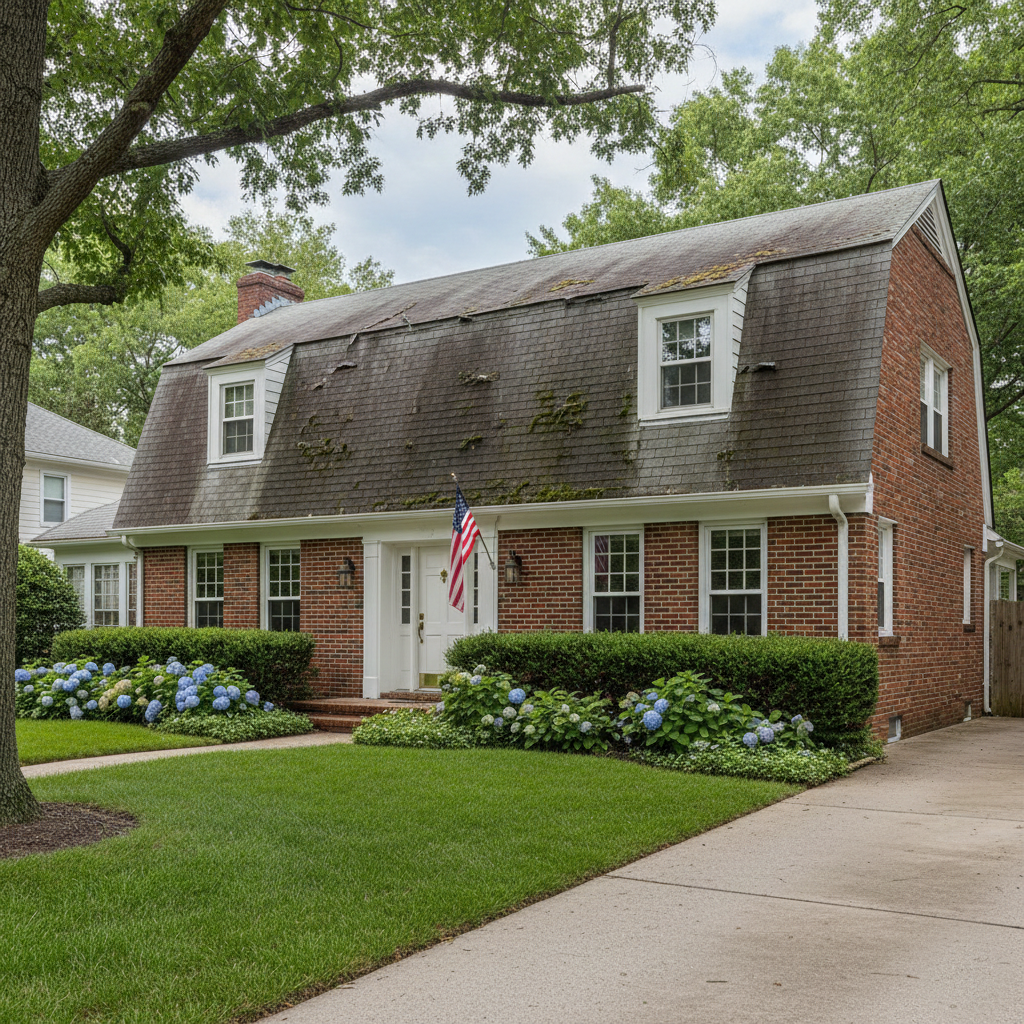
The lifespan of a roof depends on various factors. Materials play a key role. Asphalt shingles typically last 20-30 years, while metal roofs can endure longer.
Environmental conditions also impact longevity. Harsh weather can reduce roof life significantly. Regular maintenance can extend its lifespan, protecting your investment.
Here’s an estimate of how long different roofing materials can last:
- Asphalt shingles: 20-30 years
- Metal roofs: 40-70 years
- Slate roofs: 50-100 years
- Wood shakes: 20-40 years
Choosing the right material is crucial for durability. It’s also vital to consider the weather patterns in your area.
Key Signs You Need a Roof Replacement
Recognizing the need for a roof replacement is critical to avoid further damage. Pay attention to various signs indicating it’s time for a change. These warning signs can be seen both on the exterior and interior of your home.
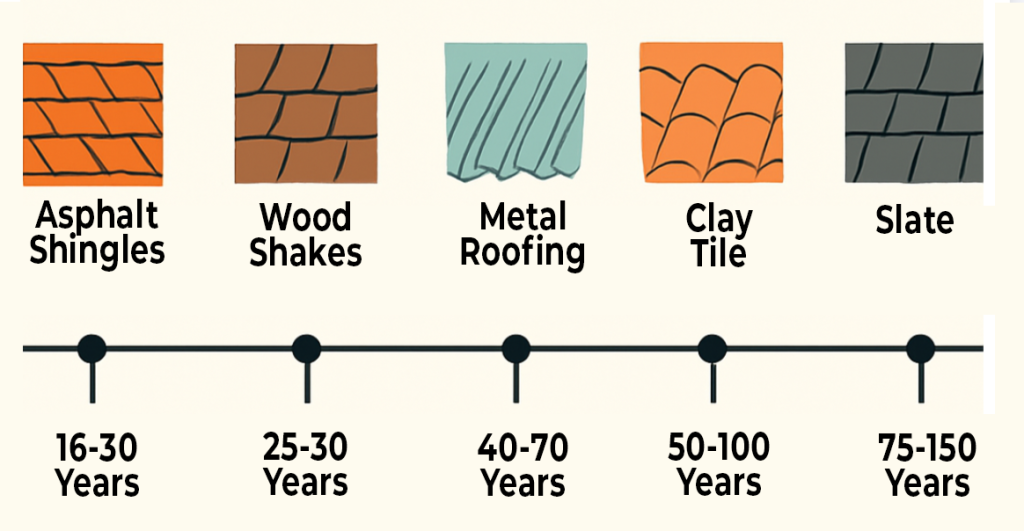
Exterior signs include missing or curling shingles, granules in gutters, and moss or algae growth. These issues often point to deterioration and wear. Additionally, check for sagging areas which might suggest structural problems that require immediate action.
Interior signs such as water stains or light filtering through the attic can indicate serious leaks. Don’t overlook increased energy bills, which could mean poor insulation or ventilation.
Key signs you need a roof replacement include:
- Cracked or curling shingles
- Granules in gutters
- Water damage indoors
- Noticeable sagging
- Visible daylight in attic
Consulting a professional can help confirm these concerns and decide on necessary steps. Remember, addressing roof problems promptly can protect your home and save costs in the long run.
Exterior Signs of Wear
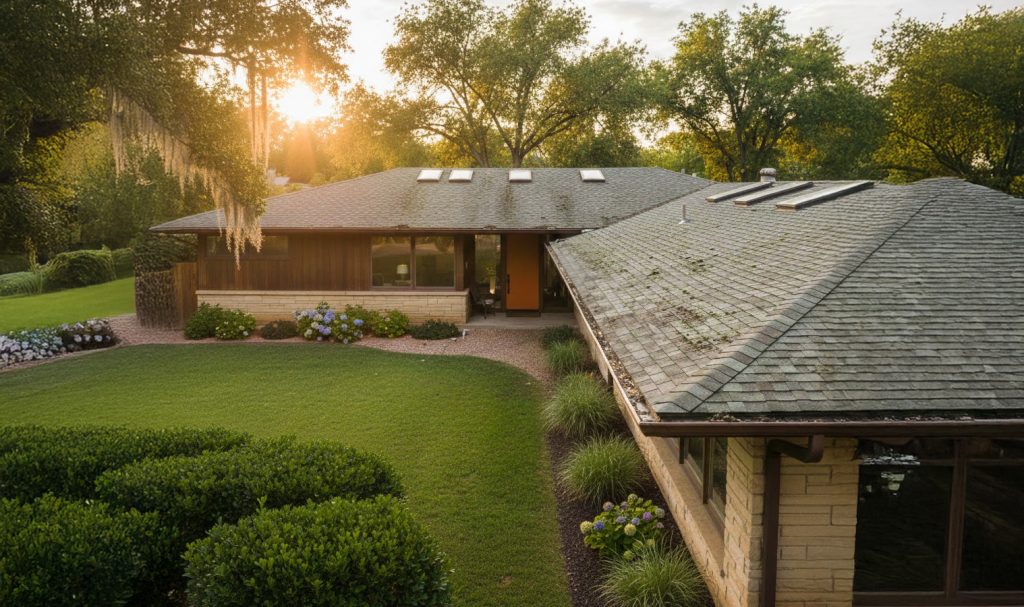
Exterior signs of roof wear often include missing, cracked, or curled shingles. These indicate that your roof materials are failing and may no longer protect efficiently.
An increase in granules in your gutters suggests shingle deterioration. Another sign is the presence of moss or algae, which can trap moisture and cause damage over time.
Look for these exterior signs of wear:
- Missing or cracked shingles
- Granules in gutters
- Moss or algae growth
Regular visual inspections from the ground can help identify these issues early. Swift action can prevent more serious problems later.
Interior Warning Signs
Inside your home, watch for water stains on ceilings or walls. These spots can indicate active leaks, often a sign of a failing roof.
Noticeably high energy bills might also reflect poor insulation. This inefficiency points to potential roof issues affecting your home’s climate control.
Warning signs inside include:
- Water stains on ceilings
- Sudden spikes in energy bills
- Daylight visible through roof boards
Check your attic regularly for these signs. Spotting issues early helps protect your home.
Structural and Age-Related Concerns
Structural concerns can manifest as sagging roof decks, which often hint at foundational issues. These may necessitate immediate roof replacement.
The age of your roof is another factor. Roofing systems beyond their expected lifespan are prone to trouble and should be evaluated.
Signs of structural and age-related issues include:
- Sagging roof decks
- Advanced roof age
- Cracked or broken flashing
Keep these concerns in mind when assessing your roof’s condition. Regular inspections by professionals are essential to determine necessary actions.
Roof Replacement Tips: What to Do Next
Once you’ve identified signs that your roof needs replacing, it’s time to act. First, gather multiple estimates from licensed and insured roofing contractors. This helps you understand cost variations and available options.
Next, review the types of roofing materials suitable for your climate and budget. Options range from traditional shingles to more modern materials like metal or solar tiles. Each material offers different benefits and longevity.
Consider these steps:
- Get multiple contractor estimates
- Research roofing materials
- Understand warranties and benefits
Plan for potential disruptions and schedule the replacement for a time that minimizes the impact on your daily life.

When to Repair vs. Replace Your Roof
Deciding whether to repair or replace a roof depends on several factors. Assess the extent of the damage and the roof’s age. Minor issues might only need a repair, while widespread damage usually necessitates replacement.
Consider these factors:
- Age of the roof
- Extent of damage
- Cost-effectiveness
Repairs may be suitable for newer roofs with isolated problems, saving both time and money.
Frequently Asked Questions About Roof Replacement
Roof replacement can be confusing for many homeowners. It’s normal to have questions. Here are some common queries and brief answers to guide you.
FAQs:
- How often should a roof be replaced?: Typically, every 20-30 years.
- What impacts roof lifespan?: Material and weather conditions.
- Can a new roof increase my home’s value?: Yes, significantly.
Protect Your Property With a New Roof
Understanding when to replace your roof is crucial. It protects your home from damage and maintains its value. Being proactive with roof inspections and replacements ensures peace of mind and safety.
Investing in a new roof is both a practical and aesthetic decision, enhancing home protection and curb appeal. Give Cordell Exteriors a call, or fill out our quick “Request An Estimate” form here on the website.
We look forward to serving you.